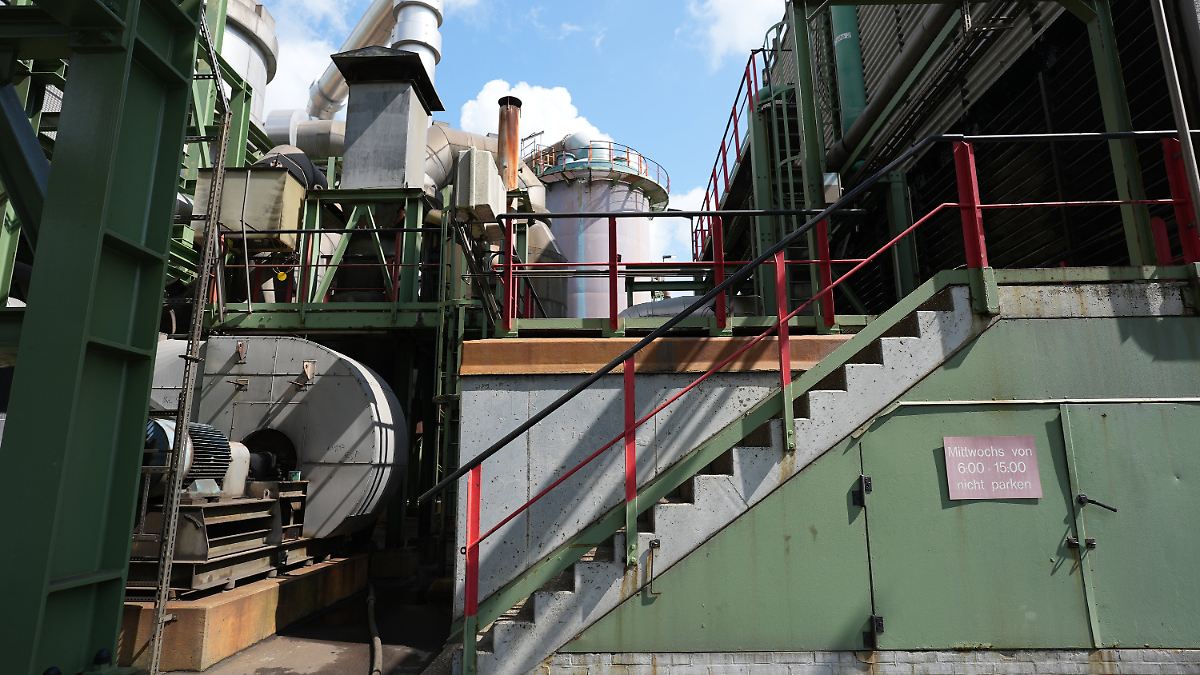
Aurubis Safety Record Under Scrutiny Following Multiple Tragedies
The safety record of Aurubis, one of the world's leading copper producers, has come under intense scrutiny following a series of devastating workplace accidents. In recent weeks and months, the company has been tragically associated with several severe incidents, including fatalities and life-threatening injuries, casting a somber shadow over its operations. These events highlight the inherent risks within heavy industrial settings and raise critical questions about safety protocols and oversight. The term "Aurubis Unfall" (Aurubis accident) has unfortunately become a recurring theme, prompting widespread concern and calls for comprehensive safety reviews.
A Cascade of Recent Tragedies at Aurubis
The recent spate of severe incidents began with a critical accident in late February, followed by a fatal one just days later, shaking the company and the local community.
The Fatal Forklift Accident: A Life Lost in Flames
In a truly tragic event that unfolded late on a Friday evening, an Aurubis employee lost his life in a horrific incident at the company's Hamburg facility. A 42-year-old forklift driver was caught in a sudden inferno when hot slag, a byproduct of copper production, unexpectedly fell onto his vehicle. The impact caused the forklift to ignite, leading to a violent explosion that claimed his life. Another employee sustained minor injuries in the same incident.
Aurubis leadership, including CEO Toralf Haag, expressed profound sorrow and extended heartfelt condolences to the victim's family and those affected. The company has pledged its full cooperation with the ongoing investigation led by the State Criminal Police Office (LKA) to thoroughly understand the circumstances that led to this devastating "Aurubis Unfall". This incident underscores the perilous nature of working with extreme temperatures and volatile materials in heavy industry. For more details on this specific event, please read Worker Dies in Aurubis Slag Fire: Tragic Accident Prompts Investigation.
The Preceding Crane Accident: A Worker Critically Injured
Adding to the concern, it was revealed that just days before the fatal forklift incident, another severe accident had already occurred at the Aurubis Werk Ost plant. On February 28th, a 56-year-old worker suffered life-threatening injuries after being trapped by a crane. The individual required emergency surgery and, according to reports, remained in critical condition and hospitalized for treatment for severe crush injuries.
Police authorities and Aurubis confirmed the incident, stating that the worker was on a "Kranbahn" – a crane runway common in large production halls – when the accident happened. The exact details surrounding how the worker became trapped are still under investigation. The close proximity of these two severe incidents, both occurring within a week, has intensified scrutiny on Aurubis's safety protocols and workplace environment. Further context on this unfolding situation can be found in Aurubis Faces Scrutiny After Fatal Forklift Crash and Prior Serious Accident.
A Troubling Pattern: Past Incidents and Persistent Concerns
While the recent events are particularly jarring due to their close timing, they are unfortunately not isolated incidents. Aurubis has been grappling with a series of tragic workplace accidents over the past year, painting a concerning picture of recurring safety challenges.
- May 2023 Nitrogen Leak: Perhaps the most devastating prior incident involved the deaths of three workers, aged 24, 49, and 53, due to a nitrogen leak. This event highlighted the dangers associated with hazardous gases and the critical importance of robust atmospheric monitoring and emergency response systems.
- August 2023 Crane Hook Incident: Months later, in August 2023, a 53-year-old employee sustained severe injuries after being crushed by a moving crane hook while working at a height of 25 meters. This incident, involving heavy machinery and work at elevation, once again underscored the specific risks prevalent in industrial environments.
- External Contractor Fatality: In another incident during a recent year, an employee of an external company suffered severe head injuries during loading operations and later succumbed to these injuries in the hospital. This points to the need for comprehensive safety integration not just for direct employees, but also for contractors working on company premises.
The cumulative effect of these incidents raises serious questions about the systemic factors contributing to these "Aurubis Unfall" events. Each tragedy represents not just a statistic, but a profound human loss, impacting families, colleagues, and the broader community.
Decoding Industrial Safety: Challenges in Heavy Industry
Operating in heavy industry, particularly in sectors like copper manufacturing, inherently involves a complex web of risks. Aurubis, as a global leader, deals with processes that include extreme heat, molten metals, heavy machinery, hazardous chemicals, and large-scale logistics. These environments demand the highest standards of safety management, continuous vigilance, and a proactive approach to risk mitigation.
Factors that can contribute to industrial accidents are multifaceted:
- Human Error: Despite best intentions, mistakes can happen. This can range from momentary lapses in judgment to procedural shortcuts.
- Equipment Malfunction: Mechanical failures, wear and tear, or unexpected breakdowns of machinery (like forklifts, cranes, or production vessels) can lead to catastrophic outcomes.
- Procedural Lapses: Inadequate or outdated safety procedures, or a failure to adhere to established protocols, can create dangerous conditions.
- Training Gaps: Insufficient or infrequent training on new equipment, revised procedures, or emergency responses can leave employees unprepared for critical situations.
- Fatigue and Stress: Long shifts, repetitive tasks, or high-pressure environments can contribute to fatigue, reducing alertness and increasing the likelihood of accidents.
- Maintenance Issues: Neglecting preventative maintenance or delaying necessary repairs can compromise equipment safety and operational integrity.
- Communication Breakdown: A lack of clear communication between shifts, departments, or between management and front-line workers can lead to misunderstandings and hazardous situations.
For companies like Aurubis, comprehensive risk assessments are not a one-time exercise but an ongoing commitment. They require continuous review, adaptation, and proactive measures to identify and eliminate potential hazards before they escalate into an "Aurubis Unfall".
Proactive Measures for Enhanced Workplace Safety
To prevent future tragedies and rebuild trust, industrial companies must adopt a multi-faceted approach to safety that goes beyond mere compliance:
- Cultivate a Robust Safety Culture: Safety must be ingrained into every level of the organization, from top management to entry-level employees. This includes encouraging near-miss reporting without fear of reprisal, promoting open communication about hazards, and valuing safety over production targets.
- Implement Advanced Training Programs: Regular, hands-on training for all employees, specifically tailored to the equipment they operate (e.g., advanced forklift safety, crane operation certifications) and the materials they handle, is crucial. This should include emergency response drills and first aid.
- Integrate Cutting-Edge Technology: Leveraging technology like IoT sensors for predictive maintenance, AI-powered hazard detection systems, automated guided vehicles (AGVs) to reduce human exposure to dangerous areas, and advanced personal protective equipment (PPE) can significantly enhance safety.
- Conduct Regular Equipment Audits and Maintenance: Establish a rigorous schedule for inspecting, servicing, and replacing machinery. Predictive maintenance based on data analytics can identify potential failures before they occur.
- Ensure Clear Communication and Oversight: Establish clear channels for reporting hazards, near misses, and incidents. Ensure that all employees, including contractors, are fully aware of and adhere to safety protocols. Regular safety briefings and debriefings are vital.
- Invest in Engineering Controls: Prioritize design solutions that eliminate or reduce hazards at the source, such as improved ventilation systems, automated material handling, enhanced guarding on machinery, and barriers to separate pedestrians from moving equipment.
Conclusion
The recent string of severe accidents at Aurubis, culminating in multiple fatalities and critical injuries, serves as a stark reminder of the ever-present dangers in heavy industry. Each "Aurubis Unfall" event underscores the profound human cost of industrial hazards and the critical importance of unwavering commitment to safety. As investigations proceed, it is imperative for Aurubis to not only cooperate fully but also to undertake a deep, systemic review of its safety management systems, operational procedures, and safety culture. These tragedies demand more than just condolences; they necessitate transparent accountability, tangible improvements, and a renewed dedication to protecting every worker. The global industrial sector, in turn, must learn from these incidents, reinforcing the principle that the well-being and safety of employees must always be the highest priority.